
Overview
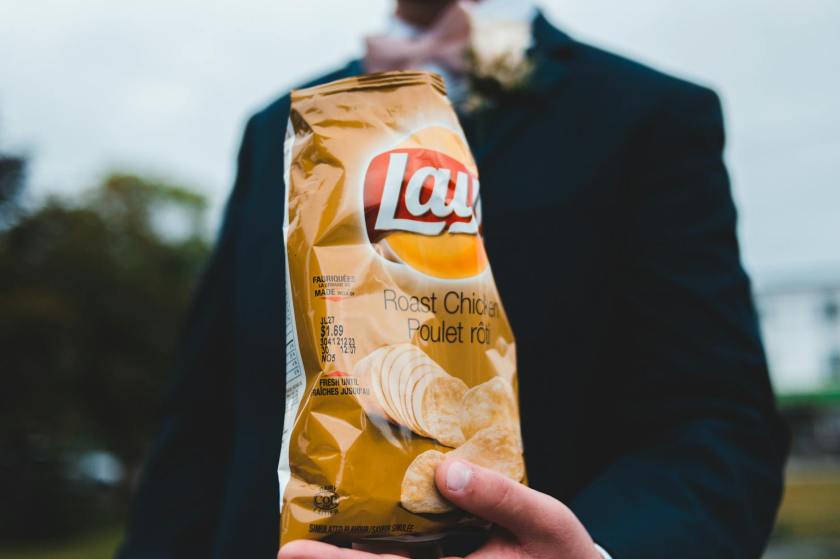
Frito-Lay’s popular “Do Us a Flavor” contest became a model for how brands can successfully merge consumer creativity with data-driven marketing. Rather than relying solely on top-down product development, Lay’s invited the public to submit new potato chip flavor ideas, transforming customers into brand advocates while gathering valuable market insights. In this case study, I analyzed how the campaign combined crowdsourcing, gamification, and social media strategy to generate buzz, deepen brand affinity, and deliver measurable business results.
My Role
I was invited by one of the authors of Digital Strategies: Data-Driven Public Relations, Marketing, and Advertising to contribute a case study for the book’s chapter on crowdsourcing and user-generated content. I chose to focus on the Lay’s campaign, analyzing how it illustrates Frito-Lay’s commitment to data-driven marketing and contributes to broader discussions about the benefits and risks of crowdsourcing.
Key Insights

Crowdsourcing as strategy: The “Do Us a Flavor” campaign drew millions of submissions across multiple contest cycles as participants vied to be the million-dollar winner. The contest used a two-stage process of idea generation (crowdsolving) and public voting (crowdrating). This approach not only fueled creativity, leading to novel flavors like Southern Biscuits and Gravy, but also provided Frito-Lay with a window into consumer tastes and preferences.
Gamification and storytelling: Lay’s kept audiences engaged through interactive experiences such as “flavorizer” tools, head-to-head voting brackets, and personal shout-outs to fans. Celebrity partnerships and user-generated content helped transform the contest from a simple promotion into a cultural phenomenon.
Data-driven insights: Every interaction — flavor suggestion, vote, or hashtag — became a data point. Frito-Lay used this data to refine product development, monitor public sentiment, and guide promotional strategies. The campaign produced tangible results, including reported double-digit sales increases during the first contest cycle.
Significance

Analyzing the “Do Us a Flavor” campaign sharpened my ability to apply analytical skills to marketing and branding challenges.
This case study demonstrates how consumer engagement, combined with data analytics, can create cultural impact and achieve measurable business outcomes. By positioning customers as collaborators rather than passive buyers, Lay’s showed brands how to build loyalty and gather actionable insights in a crowded digital marketplace.
Deliverable
“Crunching the Data: Crowdsourcing and the Lay’s Potato Chip ‘Do Us a Flavor’ Contest,” Digital Strategies: Data-Driven Public Relations, Marketing, and Advertising (2021).
 Kyle Heim